
WHERE OCEAN MEETS IDENTITY, A STORY UNFOLDS BEYOND EXPECTATION
In the Wake of Giants follows ocean storytellers Jono Allen and Tom Cannon across the Indo-Pacific as they encounter communities whose relationships with the sea challenge their understanding of conservation, tourism, and protection itself.
Moving between worlds shaped by tradition, spirituality, livelihood, and modern marine tourism, the film explores the uneasy space between connection and intrusion, and asks who gets to decide what it means to protect a place.
What begins in awe slowly becomes a deeper reckoning with the consequences of visibility, the cost of change, and the growing tension between preserving nature and preserving culture.


Drawn to Water
For some of the people in this film, a single encounter with the ocean changed the direction of their life. This part of the journey follows what draws people to the sea in the first place, and what keeps them there.
Told Up Close
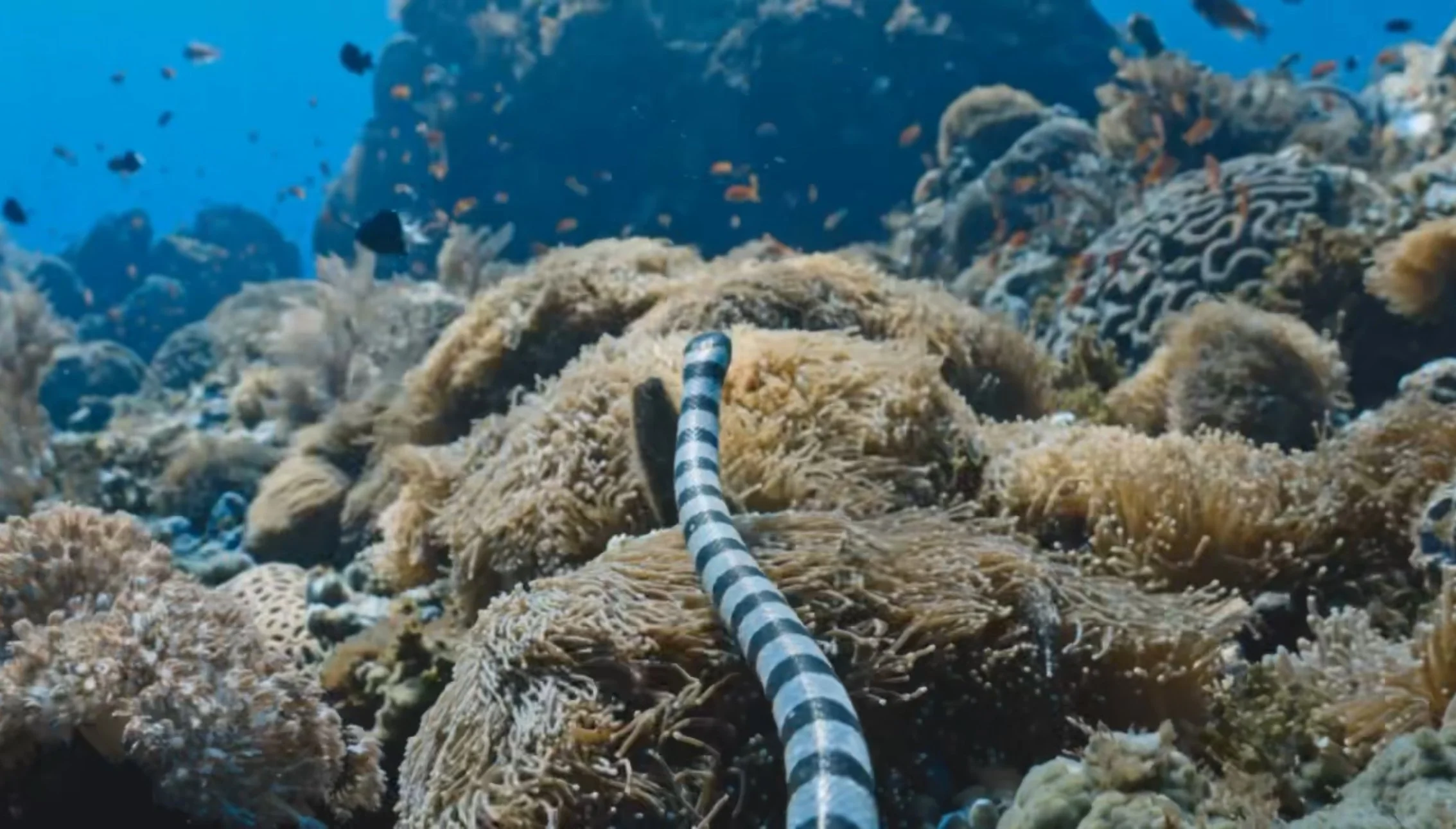
Filmed with intimate underwater cinematography, the film moves close to its subjects, above and below the water. What stays with an audience isn't the scale of the ocean alone. It's the small gestures and exchanges of the people living alongside it.
Living by the Sea
For other communities, the relationship with the ocean isn't something that started with one trip or one encounter. It has been carried through families for generations, and understanding it means staying long enough to listen.
A Question Worth Sitting With
What does it mean to protect something you depend on? The film doesn't answer that in one line. It follows people trying to work it out for themselves, in very different circumstances, and lets the audience sit with what that actually looks like.
An Invitation to Attention
This film isn't really about what we take from the ocean. It's about how we pay attention to it. The way we watch, move and travel can shift a relationship with the sea toward something more considered.
Filmed from Within
Every community welcomed our crew into daily life, ceremony and routine, and that access shapes everything the camera catches. It is our intent to make the viewer feel as if they are traveling with us and meeting the communities we encounter for themselves.